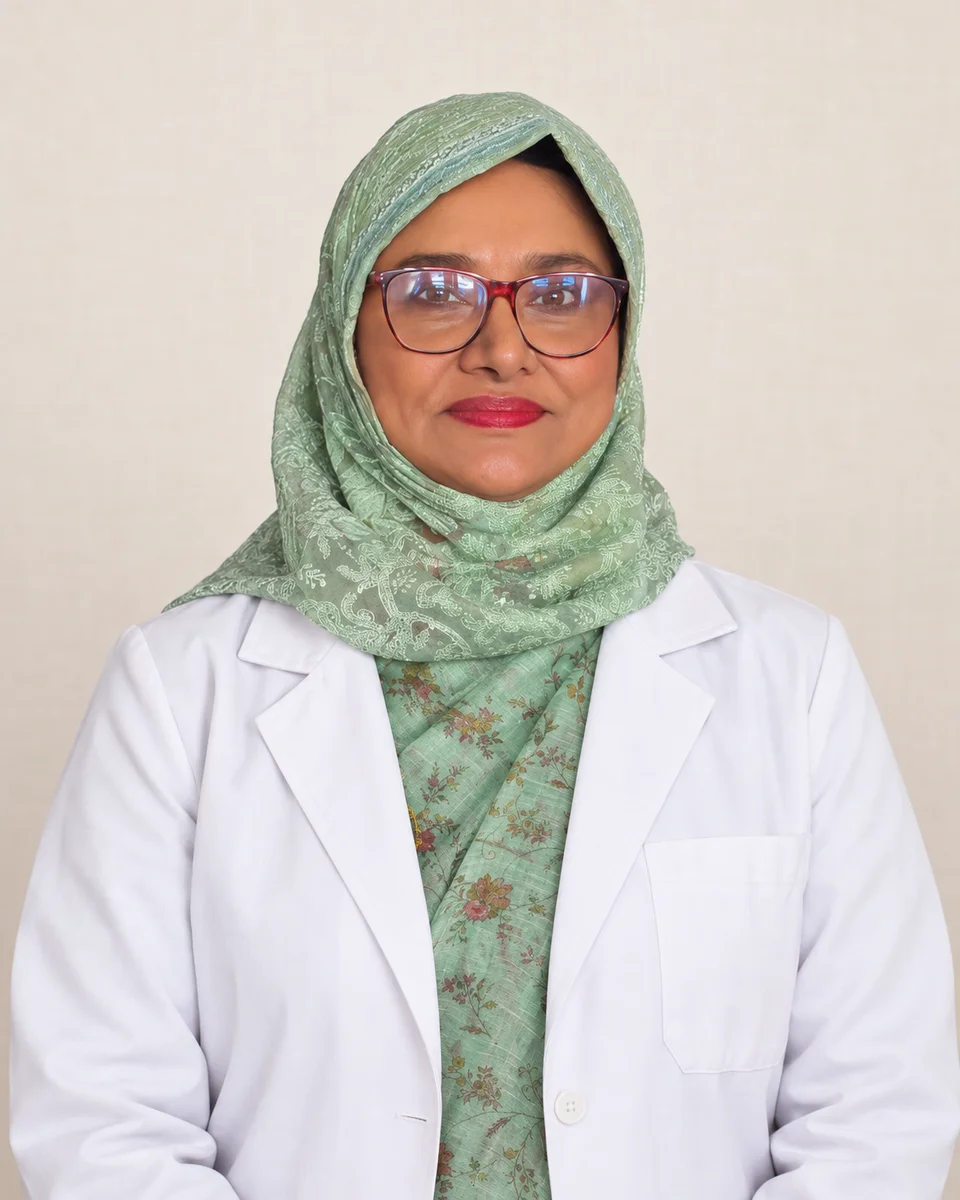
PCOS is one of the most common — and most treatable — causes of difficulty conceiving in Bangladesh. Prof. Dr. Liza Chowdhury explains how PCOS affects fertility, the tests that matter, and the step-by-step treatments that help most women become pregnant.
Polycystic Ovary Syndrome (PCOS) is the single most common hormonal reason couples in Bangladesh struggle to conceive — and it is also one of the most treatable. If you have been told you have PCOS, or you have irregular periods and trouble getting pregnant, this guide explains what is happening in your body, which tests genuinely matter, and the proven, step-by-step path most women follow to a healthy pregnancy.WHAT PCOS IS — AND WHY IT AFFECTS FERTILITY PCOS is a hormonal condition in which the ovaries do not release an egg (ovulate) regularly. Without regular ovulation, there is no egg to fertilise — which is why irregular or absent periods so often go hand-in-hand with difficulty conceiving. Many women with PCOS also have higher levels of male-type hormones (androgens) and a degree of insulin resistance, which together disturb the delicate hormonal rhythm needed for a monthly cycle. The good news: PCOS does not mean you cannot have children. The vast majority of women with PCOS conceive — most with simple treatment, and only a small minority needing IVF. SIGNS YOU MIGHT HAVE PCOS - Irregular periods, very infrequent periods, or none at all - Difficulty conceiving after 6–12 months of trying - Excess facial or body hair (hirsutism), acne, or hair thinning - Weight gain or difficulty losing weight - Dark velvety patches of skin on the neck or underarms You do not need every sign to have PCOS. Diagnosis is made when at least two of three features are present: irregular ovulation, raised androgens, and a polycystic appearance of the ovaries on ultrasound. THE TESTS THAT ACTUALLY MATTER When you come to the chamber, a focused work-up usually includes: - A transvaginal ultrasound to look at the ovaries and uterus - Hormone blood tests (including LH, FSH, AMH, testosterone, prolactin and TSH/thyroid) - A fasting blood sugar and insulin assessment, because insulin resistance is common and treatable - A semen analysis for your husband — male factor is present in nearly 40% of couples, and it changes the plan These tests tell us whether PCOS is the only issue, or whether tubes, thyroid, or a male factor also need attention. Treating the wrong problem wastes precious time. STEP 1: LIFESTYLE — THE FOUNDATION For women who are overweight, losing even 5–10% of body weight can restart natural ovulation on its own. A balanced, lower-sugar diet, regular walking or exercise, and good sleep meaningfully improve hormone balance and the success of every treatment that follows. This is not a lecture — it is genuinely the highest-value, lowest-cost step, and it improves the odds at every stage after it. STEP 2: OVULATION INDUCTION TABLETS The first medical treatment for most women is a tablet that helps the ovary release an egg. Letrozole is now the preferred first choice for PCOS and works better than the older clomiphene for many women. Treatment is monitored with ultrasound to confirm an egg is growing and to time intimacy correctly. A large share of women conceive within the first few cycles of well-monitored tablets. If insulin resistance is present, metformin is often added to support ovulation and reduce miscarriage risk. STEP 3: IUI (INTRAUTERINE INSEMINATION) If tablets alone do not succeed, or if there is a mild male factor, IUI is the next gentle step. Washed, concentrated sperm is placed directly into the uterus around the time of ovulation, shortening the journey for the sperm. IUI is far less expensive than IVF and is a sensible bridge before moving to it. STEP 4: IVF — WHEN IT IS THE RIGHT CHOICE IVF is reserved for women who do not conceive with the steps above, or who also have blocked tubes, significant male factor, or other complicating factors. Women with PCOS often respond very well to IVF — in fact they typically produce many eggs. The key is a careful, OHSS-conscious protocol (avoiding ovarian over-stimulation), which an experienced fertility unit will tailor specifically for PCOS. A WORD ON MISCARRIAGE AND DIABETES PCOS slightly raises the risk of early miscarriage and of gestational diabetes in pregnancy. Both are manageable. Controlling weight and blood sugar before pregnancy, and close antenatal monitoring during it, keeps mother and baby safe. FREQUENTLY ASKED QUESTIONS Can I get pregnant naturally with PCOS? Yes. Many women with PCOS conceive naturally, especially after weight and lifestyle changes restore regular ovulation. Treatment simply improves and speeds up the odds when natural conception is slow. How long should I try before seeing a specialist? If you are under 35, see a specialist after 12 months of trying. If you are 35 or older, or your periods are very irregular, see one after 6 months — or sooner. Time matters, and PCOS is easier to treat earlier. Is IVF always needed for PCOS? No. Most women with PCOS conceive with lifestyle change and ovulation-induction tablets. IVF is needed only for a minority. Does losing weight really help? Yes — for women who are overweight, even a modest 5–10% loss can restart ovulation and dramatically improve treatment success. WHEN TO BOOK A CONSULTATION If you have irregular periods and have been trying to conceive, do not wait indefinitely. A single consultation can clarify whether PCOS is the cause and map a clear, step-by-step plan. Prof. Dr. Liza Chowdhury sees patients at the Uttara Fertility Centre and partner chambers across Dhaka — including Uttara, Kafrul and Cantonment. Early, individualised care is the surest path to holding your baby.